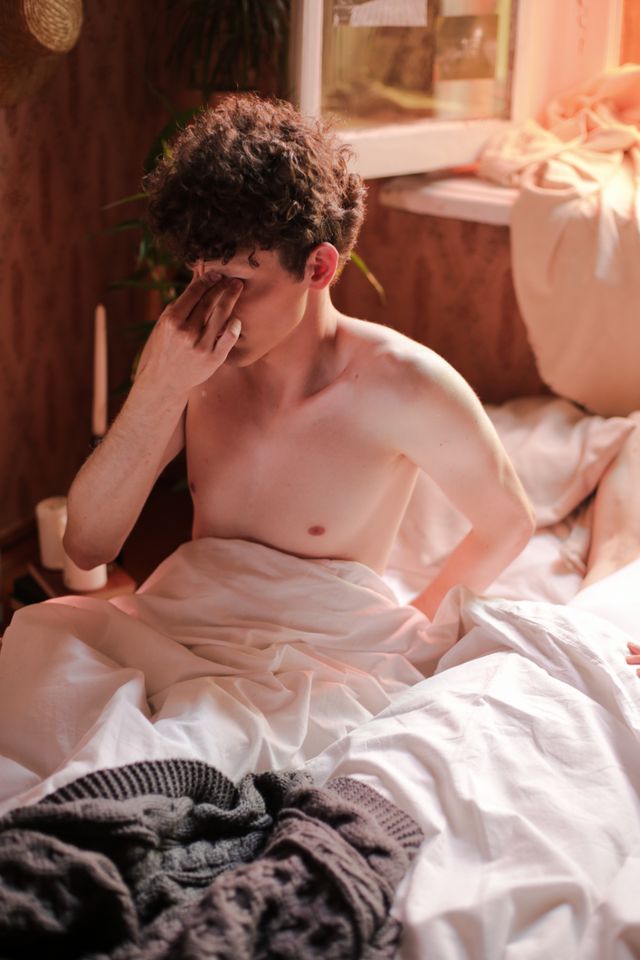
Why Do I Wake Up at 3am Every Night?
A doctor explains why waking in the small hours is normal biology, which habits turn it into an hour of lying awake, and when night waking needs investigating.


The short version
- Brief waking in the small hours is normal. Sleep runs in cycles and everyone surfaces several times a night. The problem is not the waking, it is failing to fall back.
- The commonest reversible causes are alcohol in the evening, a body clock pushed out of line, untreated snoring or apnoea, reflux, and an anxious mind that switches on the moment you wake.
- Watching the clock is what converts a two-minute arousal into an hour of frustration, because it turns waking into a problem to be solved.
See a doctor promptly if
These are the signs that change this from something to read about into something to act on.
- Waking gasping, choking or with a pounding heart, or being told you stop breathing in your sleep
- Waking regularly drenched in sweat, especially with weight loss, fever or new lumps
- Waking breathless when lying flat, or needing extra pillows to breathe comfortably
- Early waking with persistent low mood, loss of interest or hopelessness
Waking in the small hours is normal. Sleep runs in cycles of roughly ninety minutes and everybody surfaces briefly several times a night; the difference between good sleepers and everyone else is that good sleepers do not remember it. What turns a normal arousal into a problem is not the waking itself but what happens in the next ten minutes.
Why it lands at that hour#
Deep sleep is front-loaded. Most of it occurs in the first few hours, so by the small hours you are cycling through lighter sleep and REM, when the threshold for waking fully is much lower. Add a body clock effect, core temperature is at its lowest and, towards morning, cortisol begins its natural rise, and the second half of the night is simply more fragile. Any nudge, from a bladder to a noise to a dream, is more likely to break through.
The reversible causes worth checking first#
Alcohol is the leading candidate in adults. It shortens the time to fall asleep and then fragments the second half of the night as it is metabolised, often with a racing heart and sweating.
Untreated sleep apnoea and heavy snoring cause repeated arousals that people experience as unexplained waking rather than as breathing trouble. If you wake gasping, or a partner has seen you stop breathing, that needs assessment rather than sleep tips.
Reflux wakes people with a cough, a sour taste or a tight chest, particularly after a late heavy meal. A full bladder becomes a common cause with age, with an enlarged prostate in men and with drinking most of the day's fluid after work. Perimenopausal night sweats produce exactly this pattern in women in their forties and fifties. Caffeine too late, an overheated room, and an inconsistent wake time all lower the threshold further.
Then there is the mental one. For many people the small hours are the only time the mind is unoccupied, so worries arrive with unusual clarity and unusual pessimism. Nothing at three in the morning looks solvable, which is a fact about your physiology at that hour rather than about your life.
What actually helps#
Keep the wake time fixed, even after a bad night, because the wake time anchors the whole clock. Move alcohol earlier in the evening or drop it for two weeks and judge the difference. Shift the bulk of your fluid intake earlier in the day. Keep the room cool and genuinely dark.
When you do wake, the aim is to stay boring. Dim light, no phone, no problem-solving, no checking the time. If you are still awake and irritated after fifteen or twenty minutes, get up and do something quiet until sleepy. This is stimulus control, and it is the part of insomnia treatment with the strongest evidence, though it feels counterintuitive the first week.
Where to take this next#
If this has been going on for three months or more and the daytime is suffering, it has become chronic insomnia, and the fuller guide to fixing sleep explains the structured treatment that works better and lasts longer than medication.
Common questions
Is waking at the same time every night meaningful?
Why does alcohol wake me at three in the morning?
Should I get out of bed or stay put?
Sources
Still not sure what this means for you?
Bring your reports to a call with one of our doctors. Leave with a written summary and the right questions for your own doctor.